
Documentary to Revisit John Lennon and Yoko Ono’s Final Interview Hours Before His Death
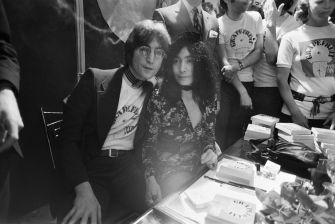
Filmmaker Steven Soderbergh is preparing a new documentary centered on one of the most significant moments in modern music history: the final interview John Lennon and Yoko Ono gave on the afternoon of Dec. 8, 1980, just hours before Lennon was killed outside the Dakota building in New York City. The project, currently untitled, aims to present the conversation in its entirety and highlight the themes Lennon and Ono reflected on during what would be the musician’s final day.
Speaking at the Doha Film Festival in Qatar, where he is promoting his film The Christophers, Soderbergh emphasized that the documentary’s purpose is not to reinvent the genre but to draw attention back to Lennon and Ono’s own words. “I’m not looking to re-invent the form,” he said, noting that his intention is to create “a film that gets as many people as possible to hear what John and Yoko had to say on that afternoon before he was killed.”
The conversation took place during the couple’s promotional cycle for Double Fantasy, Lennon’s first studio album in five years. After retreating from public life to raise their son Sean, Lennon had returned to recording with new energy and optimism. The album had been released in November, and he was actively participating in press engagements well into December.
Three days before the fatal shooting, Lennon sat for a nine-hour interview with Rolling Stone. On Dec. 8, RKO Radio journalists Laurie Kaye and Dave Sholin visited Lennon and Ono for what they expected to be a standard promotional segment. Their interview, later aired by the station and subsequently circulated among fans for decades, captured a candid, reflective, and unexpectedly forward-looking Lennon, making the recording all the more poignant in retrospect.
Kaye later chronicled the experience in her memoir Confessions of a Rock ’n’ Roll Name-Dropper, which has renewed public interest in the conversation and helped pave the way for Soderbergh’s documentary.
According to Soderbergh, what strikes him most about the recording is not just the historic weight of its timing, but the openness and clarity with which Lennon and Ono spoke about their relationship, artistic approach, worldview, and the social issues that concerned them. “As someone who has been interviewed many times, I was surprised at how open and excited they were to talk,” he observed. “You would think they had never been interviewed before.”
The interview touches on themes Lennon had spoken about throughout his career, politics, activism, feminism, partnership, personal growth, and the role of love as a guiding principle, but with a sense of maturity shaped by his five-year break from the public eye. Soderbergh believes these reflections have gained renewed relevance. “It’s even more relevant in terms of relationships, politics, how we treat each other,” he said. “How systems work on the individual and above all, on the importance of love in our daily life and our world.”
While Soderbergh is known primarily for his narrative films, this marks his first documentary since And Everything Is Going Fine (2010), a profile of monologist Spalding Gray. His approach to the Lennon–Ono project appears intentionally restrained, aiming to give the historical material space to speak for itself.
Industry expectations for the film are high, given the enduring fascination with Lennon’s final day and the cultural significance of Double Fantasy, which later won the Grammy for Album of the Year. The documentary also arrives at a time when the Beatles’ legacy continues to receive renewed attention, including the recent revival of archival materials through Peter Jackson’s work.
More than four decades after Lennon’s death, the final interview remains one of the most intimate and unguarded documents of his late life, a conversation marked by optimism, clarity, and a renewed sense of purpose. Soderbergh’s film seeks to present this moment without embellishment, offering audiences a rare chance to hear Lennon and Ono as they were that afternoon: thoughtful, relaxed, and unaware of what would soon follow.